Notes On Hurry Up Tomorrow
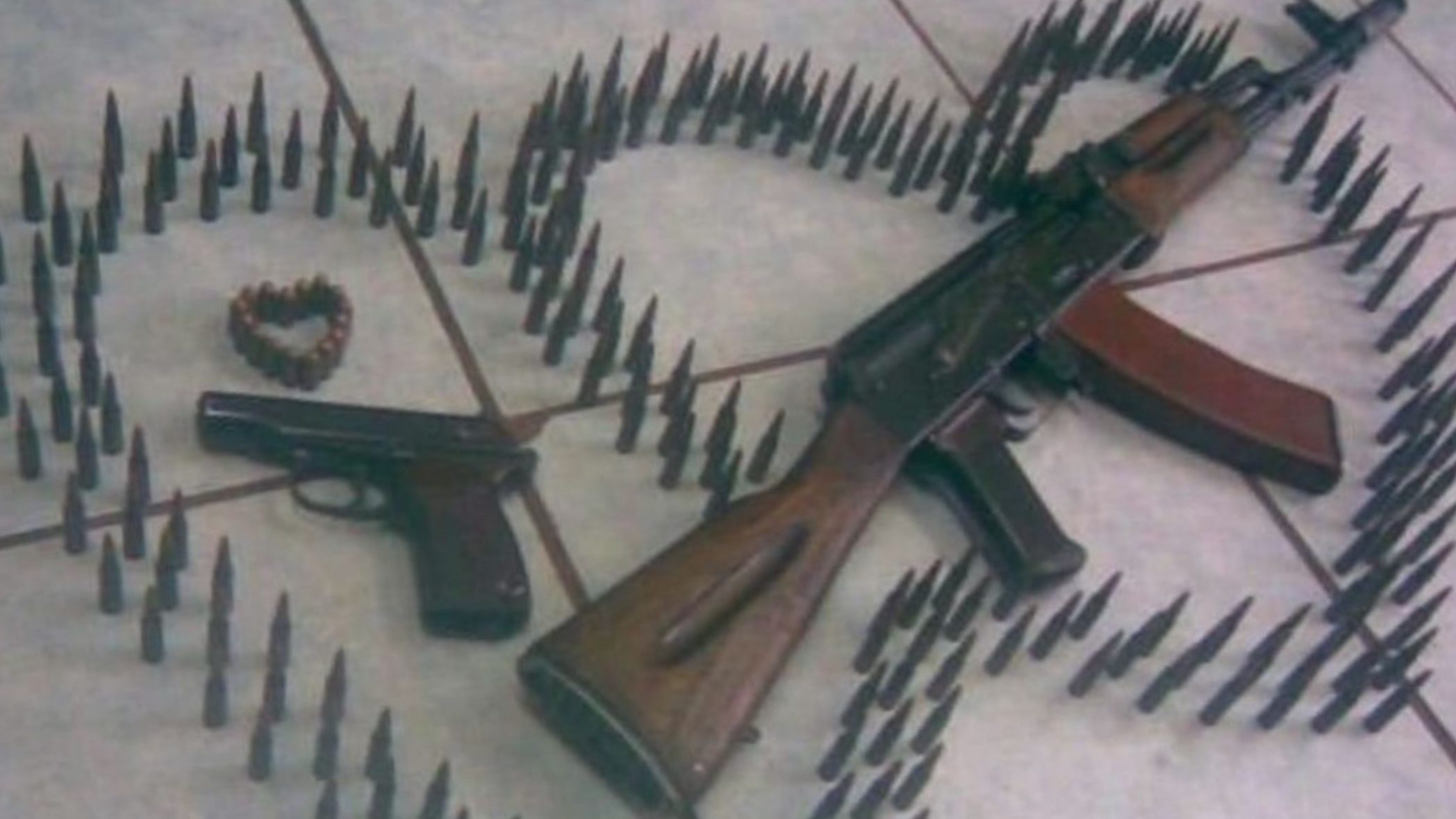
Resist the telephone! Even though help is only a few digits away. For the first time, I say ‘No’ to any alleviation, to the mean of friendship, to the endlessly inventive love of my sisters. I don’t want to be justified. Keep your mind in hell and… I want to sob and sob and sob… until the prolonged striching becomes a shout of joy.
– Gillian Rose, Love’s Work
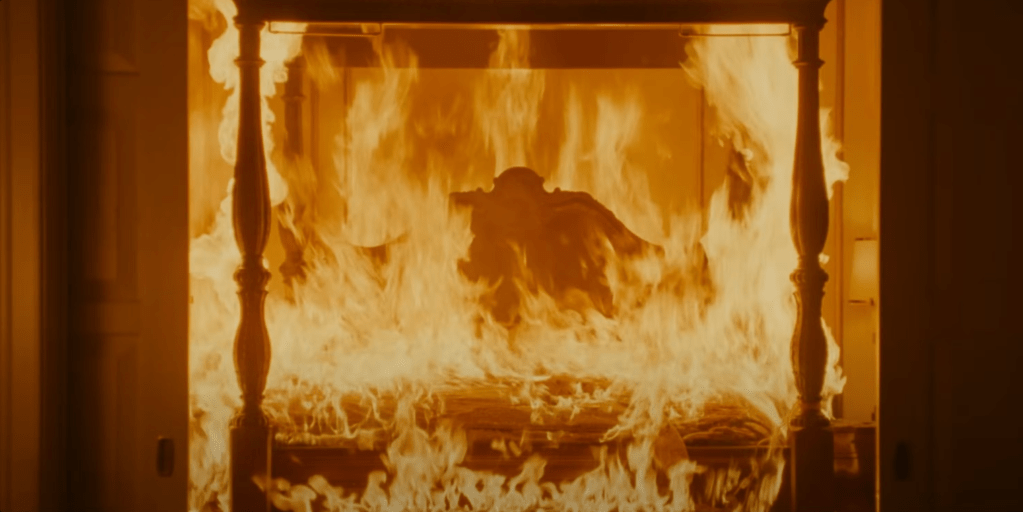
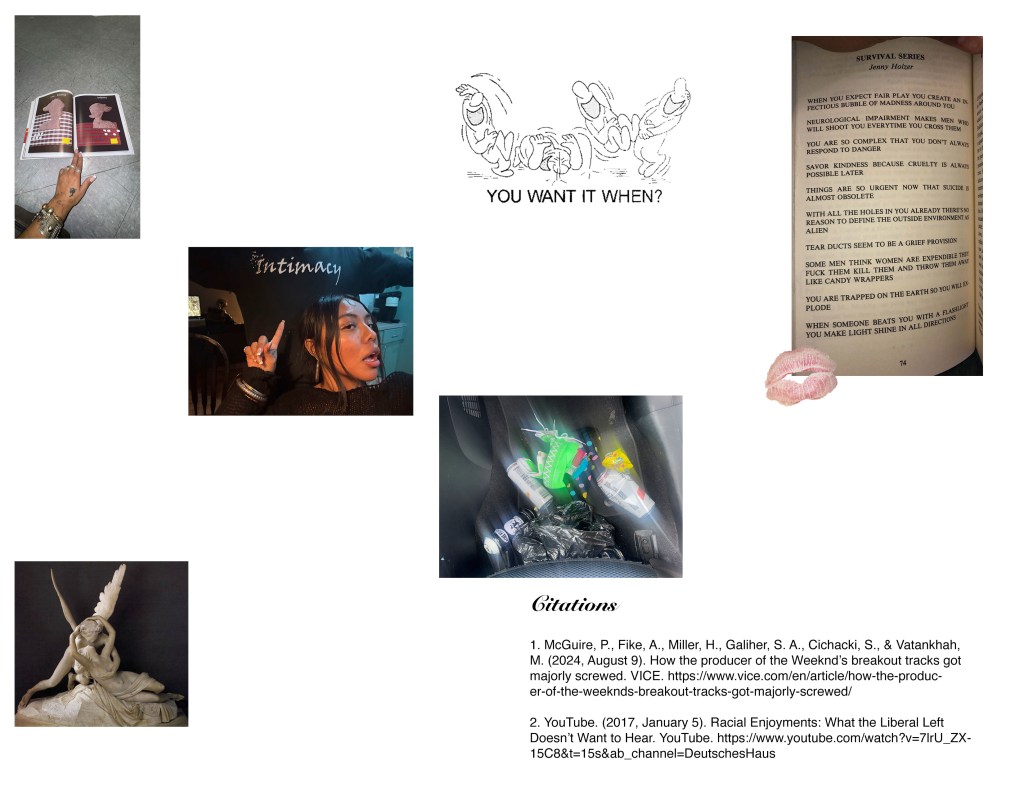
In Hurry Up Tomorrow (2025), Jenna Ortega is a cute little crazy bitch! I think she’s an arsonist, probably bipolar, or just really angry. It’s hinted that she has daddy and mommy issues, and yet her biggest flaw is her obsession with The Weeknd, who I just learned is a good singer and a bad, bad thief!!! Abel Tesfaye has been accused by producer Jeremy Rose of stealing his music project, The Weeknd. (1) Rumor has it that Drake heard House of Balloons (produced by Jeremy, who now goes by Zodiac), was obsessed with it, and pep-talked Abel into stealing The Weeknd’s whole sound.
I guess maybe Abel is a bad person, but not a bad thief, or more like Abel is an evil thief with good taste. House of Balloons is a masterpiece of its time ~ the only The Weeknd album I ever cared about. Every song is a banger with baby-making beats, baddies serenading the lonely stoner who knows that he is, in fact, what she needs. Albums like House of Balloons and Take Care were places where I heard about male pain, loneliness, and their incapacity to be men in love/men of love. Their stunted growth almost always justified by statements such as: I can’t love you because I don’t love myself, I can’t love you because I’m too fucked up, I can’t love you because I have to try everything in the world and I don’t want to share, I can’t love you because there’s too many hill parties, too many drugs, I can’t love you because how can I make these lonely boy bangers if I commit to loves work.
But I do love you! Look at how much I love you that I make YOU my muse! Each song an allegory for the illusion of depth, for the incapacity to soften, anthems of escapism. In many ways, The Weeknd’s music, as well as this film, feels deeply tied to the refusal of the present /of being present in love and for love and the consequences that come with it. Shame, metamorphosis, acceptance.


Abel, a good thief and a terrible actor. He can only play himself as he did in The Idol and as he does in this movie. I don’t know why he wants the whole world to see that he’s so stupid and basic, also so scary, but in a Žižek (2) way, I love it when someone outs themselves so clearly. The depiction of men as losers and trophies at the same time.
In Hurry Up Tomorrow, Barry Keoghan plays Lee ~ Abel’s manager and best friend. Like any good male bestie, Lee makes sure that Abel is constantly high and numb. The opening scene in this movie was painfully long + it pissed me off that it tried to pull a Hype Williams and gave us absolutely nothing. Belly (1998) and Runaway (2010) both hold a tension in rhythm and images – they kinda edge you for a while, but then they fuck you reaaally good! The type of sex that invites God into the room, and when you talk about it, people say ahhh! loooove !!! From this, I awaken to realize a love multifaceted. It mimics natures violence, calm and sure. It’s spiritual, which is invisible; faith, unconscious. In consciousness, I find myself alone and wounded, chanting acceptance and forgiveness, wondering if it was all an illusion. There is no aftercare. Love, lust, desire, will rupture you from within as it bleeds for a new place in the world.
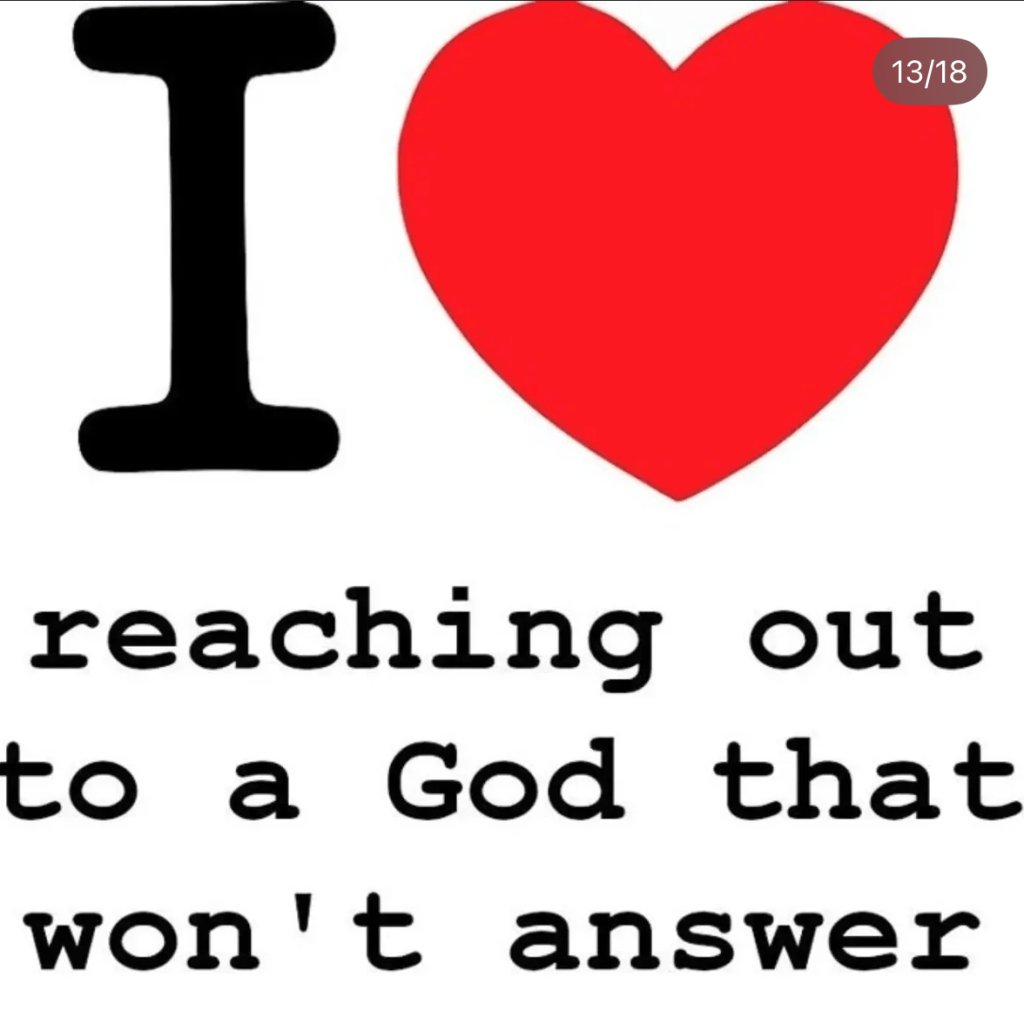
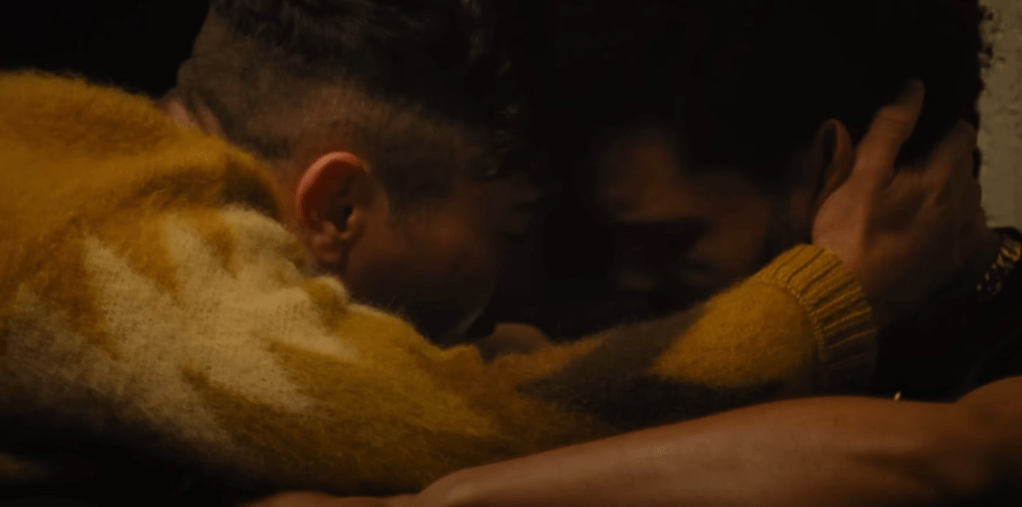
There is love in Hurry Up Tomorrow! A sacred secret dance of seduction, romance, and desire between Lee and Abel. Their friendship as the crushing need of escaping their bodies and melting into one – the Greek soulmates separated by pride and trying to be whole again. Every attempt at their togetherness is obstructed by violence. Love isn’t weak. Love isn’t gay. That’s the hardest lesson for them to learn. There’s a bankruptcy in manhood, and we’re all responsible for it. We demand their softness, but we laugh at their attempts at tenderness, and we push them away, and we harden because it’s easier to catastrophize them than to nurture and love. I speak with guilt as a woman who’s loved men who have hurt me physically, emotionally, and spiritually with their practice of violence. My guilt feels conservative, and I’m trying to work through it as I recognize that my acceptance of their violence fuels their dogma.
Abel’s and Lee’s stagnant and violent love needs to be justified, and that’s where Jenna Ortega comes in as Anima. Ortega’s acting falls flat – like Abel; she only seems to be able to play herself over and over again. I imagine Hollywood is obsessed with her because of her childlike features and her predictability. Anima is barely a character in this movie, but she is essential. Her name references Jungian Psychology as the feminine part of a man’s personality, and in philosophy, anima as the soul, alma, the irrational part of the soul as distinguished from the rational mind. In bro terms – she is a crazy bitch who has no control over her actions. She impulsively reacts, and the violence which emanates from this little loca doesn’t quite match the size of her body or the youth on her face – she is a demon (woman) that haunts Abel (man) over and over again. There is no coherence, clarity, or linearity for Anima in this movie. All we know is that her mom is calling her, she set a house on fire, and she had concert tickets to see The Weeknd.

Like any tragic lovers, Anima and Abel meet at their lowest. Abel has just lost the woman he allegedly loves and whom we only construct through his phone screen and hear through a devastating final voicemail (the issue of time, specifically, time passed), and presently, he is losing his voice right in front of his audience. While Anima – well, she set that house on fire, and that just can’t be good! In a very teen fantasy mode as Abel’s voice cracks onstage, he locks eyes with her in the crowd. The tension in their meeting gaze is supposed to be overbearing, but imho from the get go there’s no chemistry at all. Overtaken by the pulling force of their meeting eyes, Anima sneaks backstage to meet Abel. Faith has it that The Weeknd is running out and away from the venue (escaping), while Anima is running inwards (refuge). As Anima is about to be stopped by security, BOOM! BIG BANG! – our lovers meet!
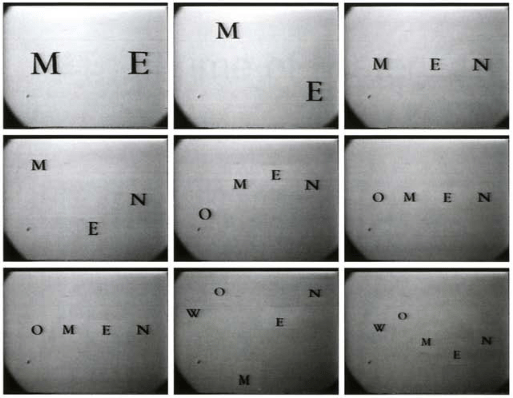
Untitled (Men, Women), 1989, Larry Johnson
Their scenes together are just a bunch of corny confessions like “have we met before? I feel like I know you” or “no matter where I go, I’m always sooooo fucking alone”, and the final “never leave me” uttered by Abel at the end of their cosmic night. There’s no sex scene in this film, just an allusion to it. I imagine that the focal point of their meeting wasn’t the hopeless romance that justifies such naivety. For Abel, this encounter was a need to enact intimacy, maybe even love, without compromise or desire to sustain it. A selfish gluttony that I’ve encountered in many men throughout my life. For Anima, it was the need to exist and be saved – without Abel’s gaze, touch, or love, she simply continues her walk as a part, not a whole, and that means that she is responsible for her own saving. Morning comes at 4 pm, and Abel is done with Anima. Over breakfast, he becomes a distant asshole, and every attempt Anima makes at closeness gets evaded with cruel avoidance. Finally, as he is packing to leave, Anima answers her mom’s phone call, which results in her weeping hysterically. Her convulsive crying gets Abel’s attention; with zero empathy, he asks if she’s ok, and then he’s ready to be on his way again. Little did he know that he was dealing with a queen of crash-out!

Anima hits Abel unconscious, which brings us to the next and thank God final scene. Abel tied from every limb with phone and lamp cords that she gathered from the hotel room. As he regains consciousness, Anima proceeds to “torture” him by playing some of his bangers while breaking them down and critiquing them; first up, Blinding Lights, which she describes as optimistic phonically but deeply depressive lyrically, followed by Gasoline, which she clocks as a stream flop but to her a deeply meaningful suicidal banger. Her pov of his music strikes me as a bit pick-me-esque, as she condemns she’s begging to be accepted, her desperation isn’t eating at her, and she can’t convince me that she is obsessed or psychotic, not even for a second. At some point during her torture session, Anima points out Abel’s “insane death drive,” which was where the realization of this text happened for me. Here, she evokes Freud’s Beyond The Pleasure Principle in which he explores the opposition between the drive towards survival and propagation (Eros) and the death drive, which is suicidal, erratic, compulsive, and aggressive.
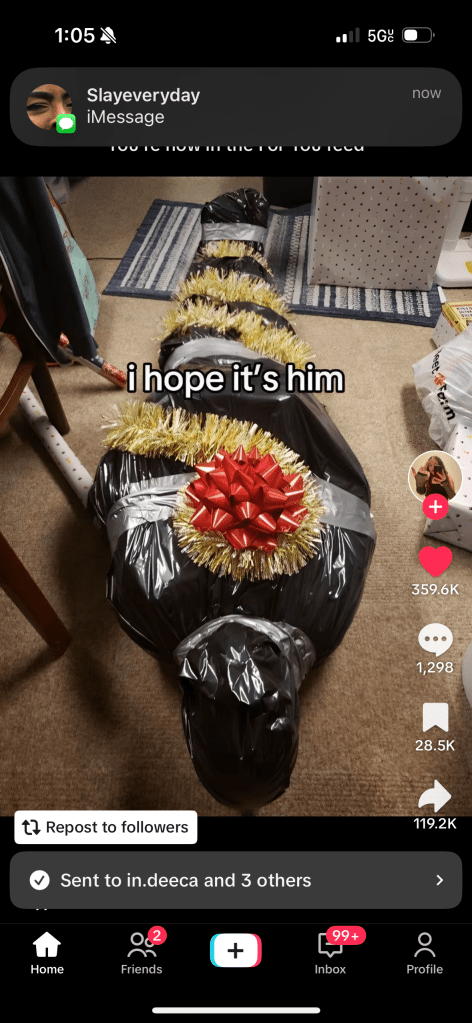
Oh, I almost forgot that after he gets knocked out by Anima, Abel has a nightmare in which 1) he wakes up to realize that she went through his phone and 2) the city is empty (maybe another film homage; this time to Abre Los Ojos, 1997). That’s just to say that this movie really wants to happen in allegories and unconsciousness, yet it never does because everything is so basic and heteronormative that it’s almost impossible for one to tap into the violent subtleness of a nightmare. And on the topic of the death drive, I would propose that Abel’s Thanatos is as performative and void as his love and sex drive, and it is Anima who is aspiring to actually fuck, marry, kill.

Through this maze of time, where the past is the present and the future the past, is where Abel positions himself, his love. As the torture progresses, Lee finally appears at the hotel door looking for Abel. Anima ends up killing Lee, but not without a fight. Lee is fighting to save Abel, so he can continue his penitence, carrying the cross of being a fuckboy and a tortured star. Anima, fighting to kill Abel, to punish him, to set him free. As we climax at Anima, pouring gasoline all over Abel and the bed to which he is tied, she warns him one last time that her only expectation is for surrender and truth. At this point, I wonder, how could Anima be smart enough to know that the ideology of men like this has to be killed because either accepting it or walking away only perpetuates it, and yet be stupid enough to believe that there was ever truth being served? She lights up a match, tears running down her face, Lee bleeding to death in the next room, Abel’s sweat and spit everywhere. As she’s about to drop the match, the most hilarious and insufferable thing happens: Abel breaks into song – he weeps as he improvises and sings acapella for Anima. The lyrics describe details of Animas’ “pain”. Her eyes expand in a sort of enlightened moment, finally acknowledged and immortalized. Is she whole? This final song as the paradox of the muse, a violent cage of projection and fantasy that solidifies Animas role as an interchangeable object in Abel’s psyche. Lyrically bad and phonically a pathetic attempt at redemption, this song is a monument to the void he makes her up to be again and again.
And that’s it! No consequences, no alchemy. We see Anima untie Abel and set the bed on fire. We get a pointless montage of Abel’s and Animas’ faces merging, followed by The Weeknd returning to his dressing room filled with mirrors and silver weights. We watch him get ready to go out and perform again while everything and everyone around him remains intact as if nothing had happened.
As I left the theater, I felt invigorated by the parody of depth this film carries. It’s a film that could only be made at this time. A modern film, with synthetic problems, situationships, loveless opulent lives. Fetishizing mirages, basic bitches, petty crimes, mental disorders, and abuse in a vapid way that makes me want to move towards Eros, to be “good”. My suicidal thoughts quiet as my homicidal drive shrieks for revenge.

 PAMELA RAMOS